
History of Cotton Spinning


USDA’s June 30, 2025 Planted Acres report shows that U.S. cotton growers have planted an estimated 10.1 million acres of upland and Pima cotton in 2025 – a 10% decrease in total acres from 2024.
sharing your knowledge of cotton and hemp.
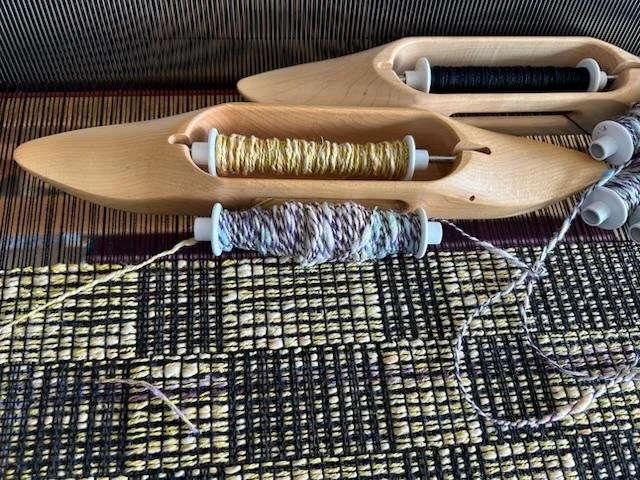
It was a nice surprise to get an email from Carrie who is a geologist from Oregon. It has been several years since I taught the class in Central Oregon. Carrie says, “I wait until the yarn says this is how I want to be used.” She is dyeing her own yarn. Carrie said she is now hand carding and blending hemp and cotton.
Let me know; spincotton@yahoo.com
DID YOU KNOW that researchers at Iowa State University confirmed that modern cotton originated from a genetically diverse wild population in Mexico’s Yucatan Peninsula about 5,000 years ago?
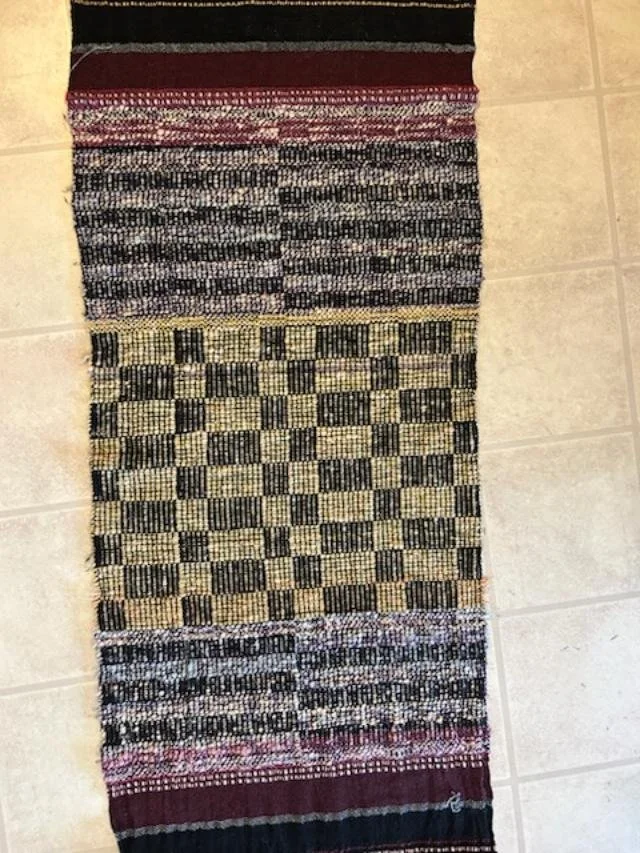
What are you doing with cotton! Weaving-knitting-planting cotton!!

HARRY & OLIVE LINDER
ZOOM LECTURES ABOUT COTTON
Cotton From the Field to the Loom: This lecture varies according to the needs of the audience watching the zoom. Spinners or Weavers? Includes the plants, harvesting and processing the fiber into sliver and then yarn.
How to Select, Use and Weave with Cotton Yarns: This is great for weavers who are concerned about using handspun and commercial cotton yarns.
In the late 60’s and the 70’s when Harry and Olive Linder were teaching and trying to introduce cotton spinning to spinners across the USA, they would go to the cotton gin in Phoenix and purchase a 480 # bale of cotton since there was no carded sliver available for hand spinners. The wheels only had a 6/1 ratio, so the cotton had to be carded on carders and then spun on the slow ratio.
Sally Fox, (Vreseis) came into the cotton pictures in the end of the 60’s, beginning of the 70’s as she was promoting organic brown and green cotton. She really struggled to survive over the chemical companies and big farming but with the help of many thoughtful and good spinners she has developed some wonderful colored cotton for spinners. Sally, like Kay Fielding and Eileen Hallman realized that commercial sliver that was used on electric spinning gins had all the crimp taken out of the fiber. They each started producing and selling cotton sliver that did not have the crimp removed. About the time, Joan was really teaching a lot, all three ladies stopped producing sliver with crimp in it for different personal reasons and Joan was without a resource of good spinning cotton sliver. At that time she founded a source to card “Easy to Spin” cotton sliver that was carded perfectly for hand spinners. For years Jill Holbrook and Lura Moore of Tucson marketed “Easy to Spin” under Brookmoore Creations for Joan but in 2023 the distributorship of “Easy to Spin” changed to Lunatic Fringe Yarn. So, if you want “Easy to Spin” cotton sliver, contact Michele or Katzy at https://lunaticfringeyarns.com.